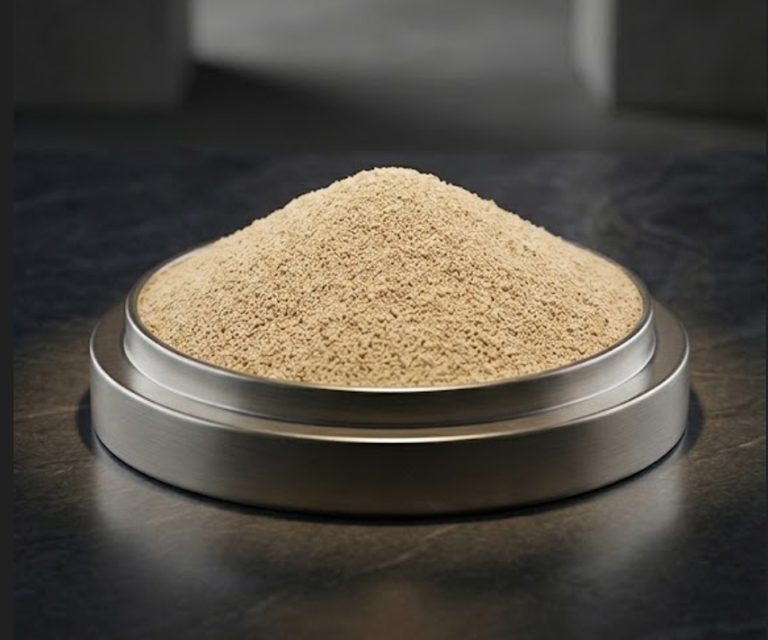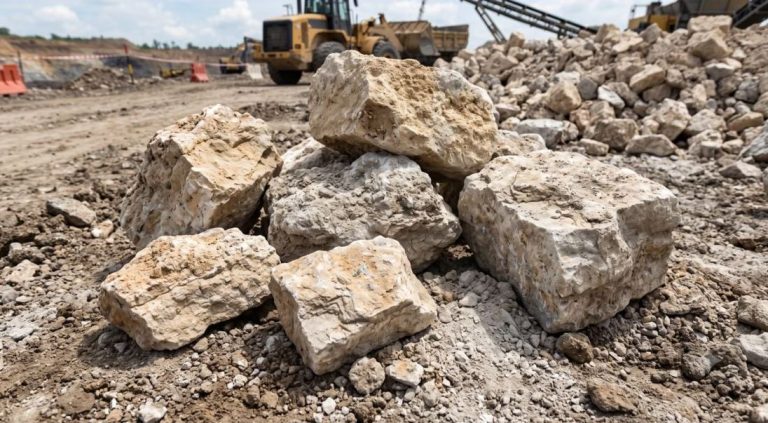
UNDERSTANDING BENTONITE RAW MATERIALS: CALCIUM BENTONITE, SODIUM BENTONITE, AND ATTAPULGITE
1. Introduction: The Role of Industrial Clay Minerals in Processing & Refining
Bentonite is one of the most versatile industrial clay minerals globally. Specifically, smectite crystals—particularly montmorillonite—primarily compose bentonite, featuring a distinctive three-layer sheet structure (2:1 phyllosilicate). However, not all raw bentonite deposits exhibit identical physicochemical properties. In fact, the dominant cation bound within its interlayer crystal lattice, alongside its specific crystal geometry, largely determines the performance of bentonite.
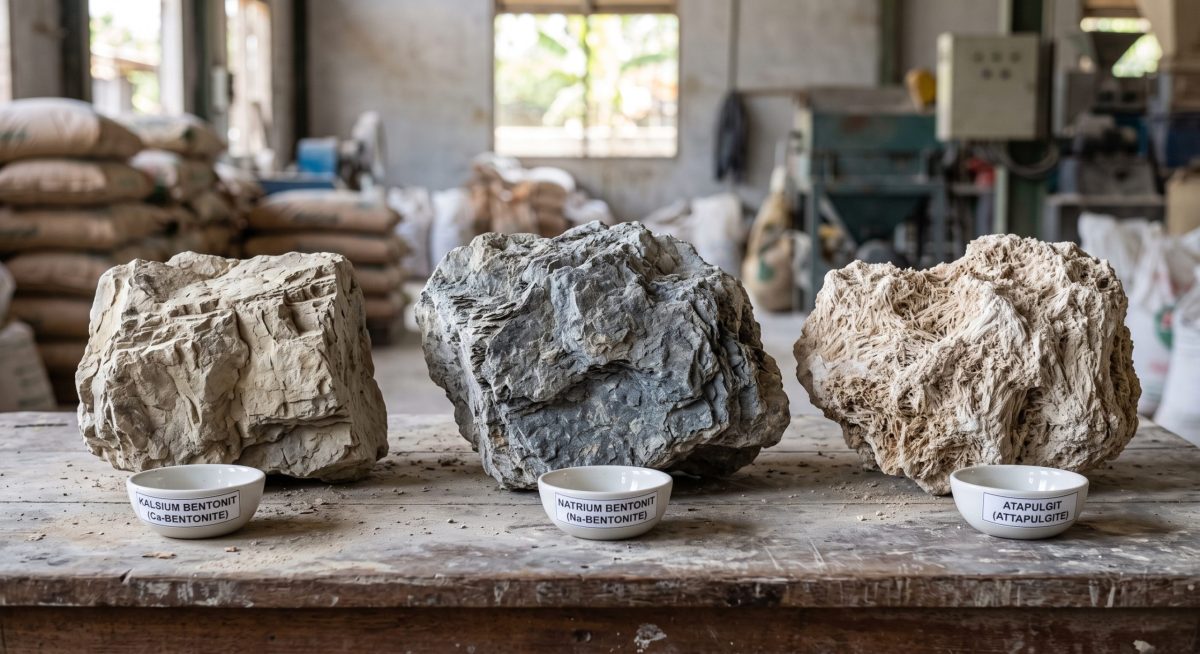
In addition, industrial processing relies on three primary clay mineral raw materials: Calcium Bentonite, Sodium Bentonite, and Attapulgite (Palygorskite). These materials play a vital role across multiple sectors, particularly in edible oil refining (palm oil, coconut oil, soybean oil), oil and gas drilling, metal casting foundries, and wastewater treatment. Therefore, understanding the distinct characteristics, advantages, and activation methods of each raw material helps plant managers, chemical engineers, and procurement teams engineer high-performance adsorbent solutions economically.
2. Calcium Bentonite: The Core Raw Material for Activated Bleaching Earth
Calcium Bentonite (Ca-Bentonite) is a natural clay in which Calcium (Ca²⁺) and Magnesium (Mg²⁺) cations primarily neutralize the negative charges on the montmorillonite crystal framework.
Key Advantages & Characteristics of Calcium Bentonite:
- High Acid-Reactivity: Because Ca²⁺ ions have a specific binding energy within the interlayer lattice, mineral acids readily displace calcium ions with Hydrogen ions (H⁺). Consequently, this acid activation reaction partially leaches the crystal framework and dissolves ionic impurities.
- Low Swelling Capacity: Unlike sodium bentonite, calcium bentonite does not expand dramatically upon submersion in water. As a result, this low-swelling characteristic ensures excellent liquid-solid filtration rates in industrial Niagara leaf filters or filter presses without clogging filter cloth pores.
- High Porosity & Specific Surface Area Post-Activation: Furthermore, following acid activation, the specific surface area of calcium bentonite expands dramatically from ~40–60 m²/g to 200–350 m²/g. This transformation turns it into a powerful physicochemical adsorbent that effectively captures color pigments and impurities.
Industrial Applications of Calcium Bentonite:
- Edible Oil & Vegetable Oil Refining: Serves as the fundamental raw material processed by PT. Dwi Karya Bentonit Indonesia into Terram Activated Bleaching Earth, effectively absorbing carotenoids, chlorophyll, and suppressing the formation of 3-MCPD esters and Glycidyl Esters (GE).
- Used Lubricating & Engine Oil Recycling: Applied to remove carbon contaminants and restore clarity to recycled base oils.
- Chemical Catalyst & Sugar Purification: Utilized as a specialized clarifying agent and catalyst support in industrial chemical processing.
How to Activate Calcium Bentonite (Acid Activation Method):
Acid Digestion Reaction: First, operators crush raw calcium bentonite lumps and react them with a dilute mineral acid solution—typically sulfuric acid (H₂SO₄) or hydrochloric acid (HCl) at 10%–20% concentration—in an agitated reactor vessel at 80°C–100°C for 2 to 6 hours.
Washing & Neutralization: Next, industrial pumps transfer the activated clay slurry to filtration and washing units. In this stage, pure water thoroughly washes the clay until it removes free residual acidity and achieves a neutral pH.
Controlled Drying: Subsequently, rotary dryers heat and dry the wet activated cake under controlled temperatures until the moisture content drops below 15%.
Precision Milling: Finally, Raymond roller mills pulverize the dried clay to achieve specific particle fineness (mesh 200–230 > 80%), producing ready-to-use Activated Bleaching Earth powder.
3. Sodium Bentonite: High Swelling Capacity and Visco-Gel Rheology
Sodium Bentonite (Na-Bentonite) features a montmorillonite lattice dominated by Sodium (Na⁺) interlayer cations. The monovalence and small ionic radius of sodium bestow extraordinary hydration and swelling properties.
Key Advantages & Characteristics of Sodium Bentonite:
- Extraordinary Swelling Capacity: Na-bentonite can absorb water multiple times its dry mass, expanding up to 10 to 15 times its original dry volume.
- Thixotropic Gelation: When mixed with water, sodium bentonite forms a viscous, highly stable thixotropic colloidal suspension with superior lubrication and solids-suspension capabilities.
- Superior Impermeability & Barrier Performance: Upon swelling, the hydrated clay platelets overlap to form an impermeable barrier that prevents water seepage.
Industrial Applications of Sodium Bentonite:
- Drilling Mud (API Spec 13A Bentonite): Lubricates drill bits, cools cutting tools, and carries rock cuttings to the surface in oil, gas, and geothermal drilling operations.
- Metal Foundry Sand Binder: Acts as a high-temperature bonding agent for green sand molds in iron and steel foundries.
- Environmental Geosynthetic Clay Liners (GCL): Used for waterproofing landfills, industrial tailings ponds, and water reservoirs.
- Ore Pelletizing & Clumping Cat Litter: Functions as a binder for iron ore pellets and as a self-clumping pet litter material.
How to Activate / Process Sodium Bentonite (Soda Ash Activation):
Because high-grade natural sodium bentonite deposits are limited, industrial processors frequently convert natural Calcium Bentonite into Synthetic Sodium Bentonite via Soda Activation:
1. Soda Ash Blending: Moist calcium bentonite is intimately blended with Sodium Carbonate (Na₂CO₃ / Soda Ash) powder at 2%–5% relative to dry clay weight.
2. Extrusion & Aging: The mixture is passed through heavy-duty mechanical extruders under high shear force to force Na⁺ ions into the lattice, displacing Ca²⁺ ions. The extruded clay is then aged for several days to ensure complete cation exchange.
3. Drying & Milling: The sodium-activated clay is dried and ground to meet specific mesh standards for drilling or foundry specifications.
4. Attapulgite (Palygorskite): Fibrous Needle-Like Structure
Attapulgite (also known as Palygorskite) possesses a distinct crystal morphology compared to standard sheet-like smectite clays. Rather than flat 2:1 layered sheets, Attapulgite features a microscopic fibrous needle-like crystal structure containing regular structural channels and micro-cavities.
Key Advantages & Characteristics of Attapulgite:
- Saltwater & Electrolyte Stability: Attapulgite does not flocculate or lose viscosity in the presence of saline water or high electrolyte concentrations, offering a distinct advantage over standard bentonites.
- Non-Swelling Physical Adsorption: Possesses a high internal capillary pore volume, allowing it to absorb liquids, pigments, and oils without swelling.
- Effective Suspension & Thickening Agent: Forms a mechanical gel network through the interlocking array of needle-like crystal fibers.
Industrial Applications of Attapulgite:
- Offshore Saltwater Drilling Mud: Performs reliably in saltwater and marine drilling environments where sodium bentonite would flocculate.
- Industrial Spill Absorbents & Natural Fuller’s Earth: Used as floor granules for oil/chemical spills and natural decolorizing earths.
- Pharmaceuticals & Healthcare: Serves as an active pharmaceutical ingredient in anti-diarrheal medications to adsorb intestinal toxins and pathogens.
- Industrial Coatings & Paints: Functions as a rheological thickener in water-based paints, liquid fertilizers, and adhesives.
How to Activate Attapulgite (Thermal Calcination & Mild Acid Treatment):
1. Thermal Activation / Calcination: Attapulgite is calcined in rotary kilns at controlled temperatures between 150°C and 400°C. Heating drives off zeolitic and structurally bound water from the needle channels without collapsing the silicates, dramatically opening its micro-porosity.
2. Mild Acid Treatment: For specialized adsorption applications, attapulgite is treated with mild acid to leach free carbonate impurities from channel surfaces without degrading the core needle framework.
5. Comparative Matrix of Bentonite Raw Materials
| Parameter | Calcium Bentonite | Sodium Bentonite | Attapulgite |
| Morphology & Structure | Sheet-like (Montmorillonite 2:1), Ca²⁺ dominant | Sheet-like (Montmorillonite 2:1), Na⁺ dominant | Fibrous Needle-like (Palygorskite channels) |
| Swelling Capacity | Low (Non-swelling in water) | Extremely High (10–15x dry volume) | Low / Non-swelling |
| Primary Activation Method | Strong Acid Activation (H₂SO₄ / HCl) | Soda Ash Activation (Na₂CO₃) / Alkaline | Thermal Calcination (150–400°C) |
| Dominant Applications | Bleaching Earth (CPO/Oil Refining), Catalysts | API Drilling Mud, Foundry, GCL, Cat Litter | Saltwater Drilling, Anti-diarrheal, Absorbents |
6. Conclusion & Quality Commitment of PT. Dwi Karya Bentonit Indonesia
Selecting and processing the optimal clay mineral raw material is foundational to achieving peak process efficiency in edible oil refineries and industrial plants. Precision acid-activated calcium bentonite produces high-absorption Bleaching Earth with minimal oil retention, while sodium bentonite and attapulgite provide specialized solutions for high swelling or saline environments.
At PT. Dwi Karya Bentonit Indonesia, we process premium calcium bentonite raw materials into market-leading Activated Bleaching Earth under the TERRAM brand (including Terram 870, Terram 850, Terram 820, Terram Pusaka, and custom grades). Supported by advanced laboratory testing, Dioxin & Heavy Metal safety guarantees, and ISO 9001, Halal, and Kosher certifications, Terram delivers precision performance and operational savings to refineries worldwide.
| READY TO OPTIMIZE YOUR REFINERY OPERATIONAL COSTS? Contact our technical specialist team today for consultation or to request free laboratory samples: Mobile / WhatsApp: +62 81399143003 | Email: info@terramchemical.com | Web: www.terramchemical.com |