Minimizing Spent Bleaching Earth Oil Retention: Steam Blowing Optimization in Niagara Filters
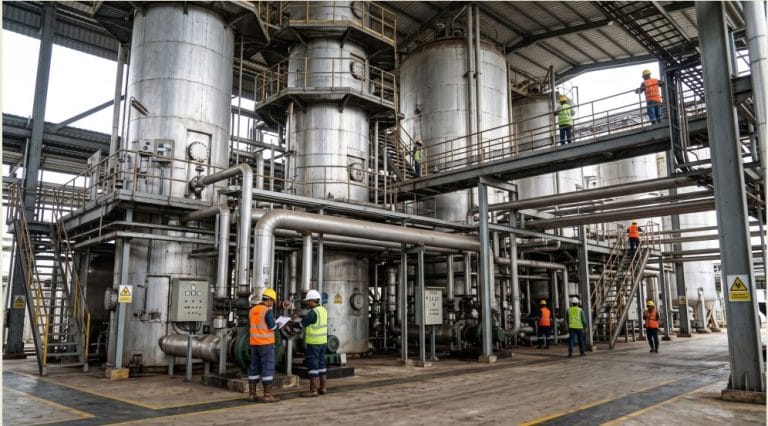
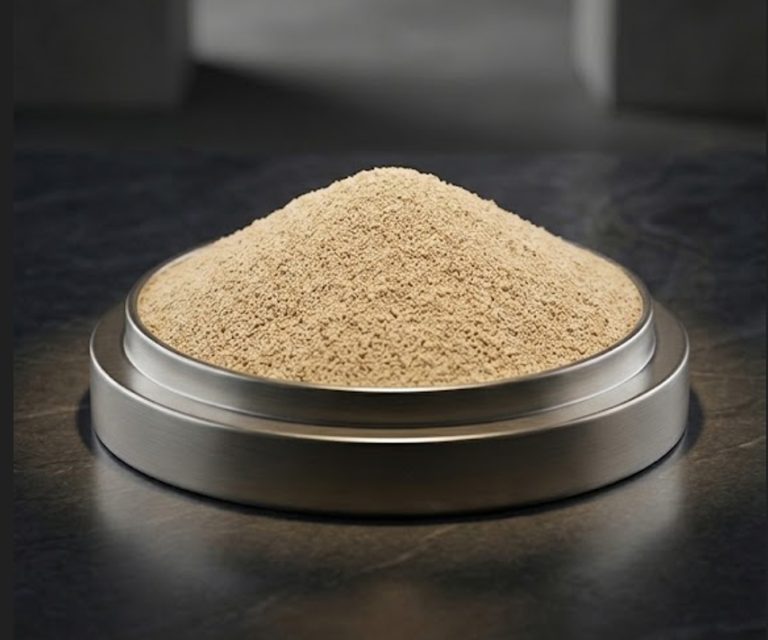
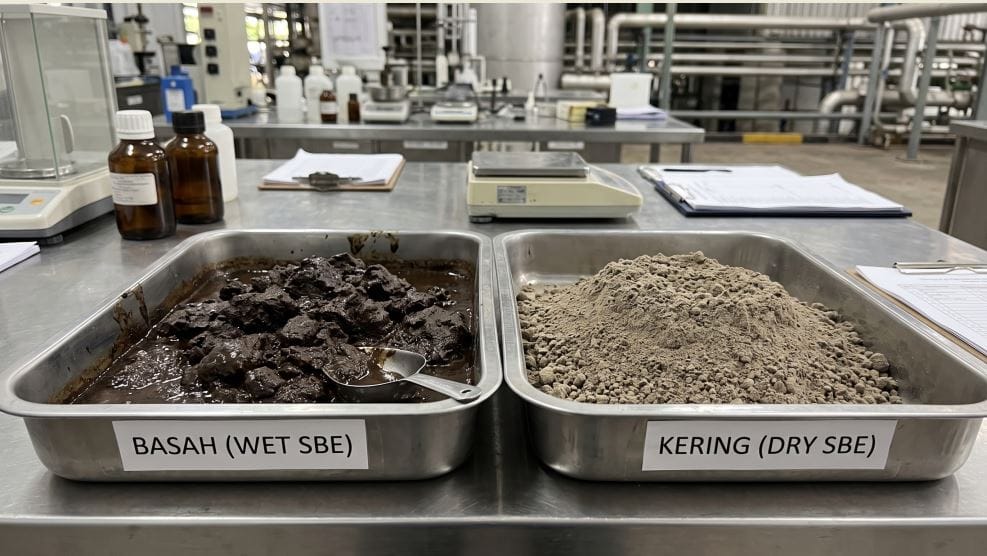
The true financial penalty of bleaching earth usage extends far beyond the initial chemical purchase price. Once clay particles adsorb impurities inside the bleacher vessel, they pass into pressure leaf filters (such as Niagara filters) to separate the solid clay from the refined liquid oil. Spent Bleaching Earth (SBE) discharged from these filters retains a significant percentage of bound neutral oil within its porous structure. Implementing rigorous filtration protocols to reduce oil retention spent bleaching earth cake is one of the most lucrative yield-improvement opportunities in edible oil refining.
The 5 Sequential Stages of Niagara Pressure Leaf Filtration
Optimizing SBE recovery requires strict adherence to the five operational phases of a Niagara pressure leaf filter cycle:
1. Pre-Coating Phase: Circulating a light slurry of clay and oil to build an initial pre-coat layer on stainless steel filter leaves, preventing mesh blinding.
2. Main Filtration Run: Pumping hot oil slurry through the leaves, building a uniform filter cake while retaining solid impurities.
3. Vessel Oil Draining: Blowing pressurized nitrogen or dry air to empty unfiltered liquid oil from the vessel shell back to the feed tank.
4. Steam Blowing & Cake Drying: Injecting dry high-pressure steam through the filter cake to strip bound oil from interstitial capillary pores.
5. Pneumatic Cake Discharge: Activating the pneumatic leaf vibrator to dislodge dry Spent Bleaching Earth into the discharge hopper.
Standardizing Steam Blowing Parameters to Drive Down Oil Loss
Stage 4 (Steam Blowing) plays the pivotal role in oil recovery. When steam blowing is omitted or executed improperly, oil retention in SBE easily escalates to 25%–30% of total cake weight. To drive retention down to 18%–20%, plant engineers must enforce the following standardized operating procedure (SOP):
| Steam Parameter | Optimal Operating Range | Impact on Oil Retention & Cake Structure |
| Steam Temperature | 120°C – 130°C (Dry Steam) | Reduces oil viscosity drastically, allowing trapped capillary oil to drain freely. |
| Blowing Pressure | 3.0 – 4.0 bar (43 – 58 psi) | Provides sufficient kinetic force to displace interstitial oil without channeling. |
| Blowing Duration | 15 – 20 Minutes | Ensures thermal equilibrium across the cake structure; prevents wet cake discharge. |
Particle Size Distribution (PSD) and Capillary Channeling
In addition to steam parameters, the physical Particle Size Distribution (PSD) of the bleaching earth strongly dictates filtration performance. Clays containing excessive fine particles (< 20 microns) create an overly dense, low-permeability cake that resists steam penetration and blinds filter leaves. Conversely, a precision-engineered clay with balanced PSD forms a porous, permeable cake that responds exceptionally well to steam drying, consistently keeping SBE oil retention under 19%.
Want to recover tons of neutral oil from your spent cake? Discover how Terram Low Oil Retention Bleaching Earth improves filtration permeability and streamlines steam blowing.